.png?width=230&height=66&name=Logo%20Transparency-1%20(1).png)
Why Cybersecurity Alone Is Not Enough
Most organizations invest heavily in cybersecurity tools such as firewalls, endpoint protection, and monitoring systems. While these technologies are essential, they focus primarily on preventing attacks.
Unfortunately, modern cyber threats frequently bypass even well-designed defenses.
The biggest damage from cyber attacks isn’t technical.
It’s operational, financial, and legal.
Operational disruption
Businesses may lose access to critical systems for days or weeks.
Financial loss
Ransom payments, recovery costs, and lost revenue can be significant.
Regulatory exposure
Breaches may trigger reporting obligations and regulatory scrutiny.
Reputational damage
Customers and partners may lose trust.
Legal liability
Companies may face lawsuits following data breaches.
.png?width=1080&height=1920&name=Untitled%20(1080%20x%201920%20px).png)
Risk Identification
Understand where your organization is truly vulnerable.
Identify the systems, processes, and business functions most exposed to cyber threats — and how attackers are most likely to target them.

Risk Quantification
Measure the potential impact of a cyber event.
Evaluate how a cyber incident would affect revenue, operations, legal exposure, and reputation — so leadership can prioritize what matters most.

Control Engineering
Design security controls that actually reduce risk.
Implement and optimize security measures based on real-world threats — not generic checklists — to meaningfully lower exposure.
.jpg?width=1536&height=1024&name=Cybersecurity%20stages%20and%20digital%20protection%20(1).jpg)
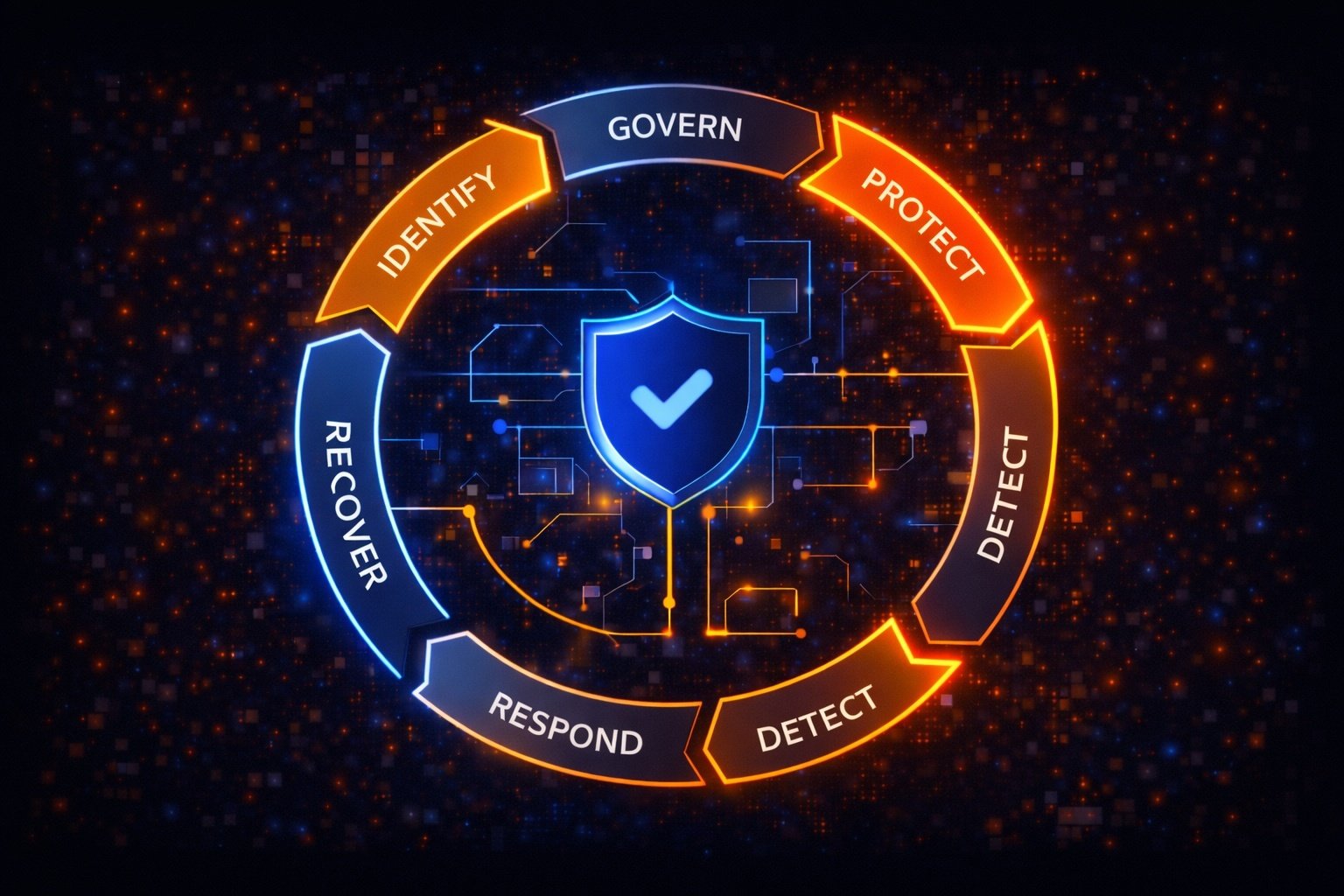
Incident Preparedness
Prepare to respond when prevention fails.
Develop response plans, decision frameworks, and communication strategies to minimize damage and accelerate recovery from cyber incidents.

Continuous Risk Monitoring
Ensure risk stays under control over time.
Continuously monitor threats, validate controls, and adjust defenses as risks evolve — maintaining a strong security posture over time.

.jpg?hsLang=en)

.jpg?hsLang=en)